
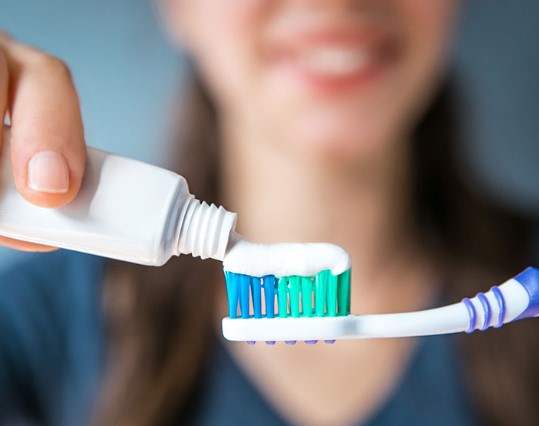
Maintaining optimal oral hygiene is of paramount importance for overall dental health. A diligent oral care routine not only helps in preventing common dental issues like cavities, gum disease, and bad breath but also contributes to one's general well-being. Regular brushing, flossing, and dental check-ups play a vital role in combating dental plaque and tartar buildup, which can lead to more severe oral problems if left untreated. Emphasizing oral hygiene habits not only ensures a confident and radiant smile but also promotes a healthier lifestyle, as scientific studies have linked oral health to various systemic conditions. Therefore, making oral hygiene a top priority is the key to preserving the longevity of one's teeth and safeguarding against potential dental complications.
When it comes to maintaining excellent oral hygiene, seeking professional guidance and support is equally crucial. Partnering with reputable dental practices, such as Steckbeck Family Dentistry, can enhance your oral care journey significantly. With their expert dental services and state-of-the-art treatments, you can further bolster your oral health and address any dental concerns with confidence. Collaborating with experienced dental professionals not only ensures that you receive personalized care but also strengthens your commitment to a comprehensive oral care routine. Research has shown that combining regular home care practices with professional dental check-ups leads to better oral outcomes and reduces the risk of potential dental complications. By fostering a collaborative approach to oral hygiene, where individual efforts align with expert guidance, you can achieve a truly radiant smile and long-lasting dental well-being.
Dental plaque and tartar are two critical elements that significantly impact oral health. Plaque, a sticky and colorless film, forms on teeth and contains bacteria that produce acids harmful to enamel. Regular brushing and flossing help remove plaque, preventing its transformation into tartar, a hardened and stubborn substance that cannot be removed through regular oral care. Tartar buildup can lead to various dental issues, such as cavities and gum disease, emphasizing the importance of understanding and addressing these concerns promptly for a healthy and radiant smile.
When it comes to maintaining excellent oral health and preventing tooth decay, brushing plays a crucial role in a comprehensive oral care routine. The process of brushing involves several essential steps that collectively contribute to dental well-being. Firstly, it helps remove food particles and debris that can get trapped between teeth, creating an ideal environment for bacterial growth. Additionally, regular brushing disrupts the buildup of dental plaque, a leading cause of tooth decay. Through the action of fluoride toothpaste, brushing strengthens tooth enamel, making it more resistant to decay and reducing the chances of enamel erosion caused by acid formation. Furthermore, brushing eliminates bacteria in the mouth, controlling the production of harmful acids. The process also stimulates saliva production, aiding in the neutralization of acids and remineralization of enamel. Beyond preventing tooth decay, effective brushing contributes to gum health, overall oral hygiene, and the prevention of bad breath. Moreover, while brushing, individuals may observe potential dental issues, allowing for early detection and timely intervention. Emphasizing the importance of regular brushing as part of a daily oral care routine is essential for maintaining a healthy and radiant smile.
When it comes to maintaining optimal oral health, brushing plays a pivotal role in ensuring healthy gums. Regular brushing helps to eliminate plaque, a sticky film of bacteria that can accumulate along the gum line, causing irritation and inflammation. By diligently brushing, you can reduce the risk of gum disease, including gingivitis and periodontitis. Moreover, brushing stimulates blood flow to the gums, promoting their overall health and strengthening the supporting structures of the teeth. Incorporating proper brushing techniques into your daily oral care routine is essential for achieving healthy gums, preventing gum-related issues, and maintaining a confident smile.
Regular brushing of your teeth is a fundamental step in preventing bad breath, scientifically known as halitosis. When you brush your teeth, you remove food particles and bacteria that can linger in the mouth, leading to foul-smelling breath. The thorough action of brushing not only cleans the surfaces of your teeth but also reaches between teeth and along the gum line, areas where odor-causing bacteria thrive. By incorporating brushing into your daily oral care routine, you can effectively combat bad breath and enjoy the confidence of fresh and pleasant-smelling breath throughout the day.
The Importance of Brushing Your Teeth |
|---|
|
Proper oral hygiene, including regular brushing, is crucial for maintaining optimal dental health. Brushing helps remove food particles, preventing bacterial growth and the formation of dental plaque. Dental plaque is a sticky film containing harmful bacteria that can lead to tooth decay and gum disease if not adequately removed. Through consistent brushing, individuals can strengthen their tooth enamel, making it more resistant to decay. Additionally, brushing stimulates saliva production, which helps neutralize acids and maintain a healthy pH balance in the mouth. Alongside flossing and regular dental check-ups, brushing is an essential component of a comprehensive oral care routine that contributes to fresher breath, healthier gums, and a radiant smile. |
The intricate relationship between oral health and overall well-being is a topic of significant importance. Scientific studies have revealed compelling evidence linking oral health to various systemic conditions. Poor oral hygiene and untreated dental issues can have far-reaching consequences beyond the mouth, affecting cardiovascular health, respiratory health, and even pregnancy outcomes. Moreover, certain medical conditions, such as diabetes and autoimmune diseases, can influence oral health and increase the risk of dental problems. Conversely, gum disease and oral infections can exacerbate existing medical conditions. Understanding this profound connection emphasizes the need for comprehensive oral care as a fundamental aspect of maintaining overall health and quality of life.
Mastering the art of effective brushing techniques is vital for maintaining optimal oral health. It begins with choosing the right toothbrush, ensuring it has soft bristles and comfortably fits your mouth. Remember to brush at a 45-degree angle, using gentle circular motions to clean all tooth surfaces, including the outer, inner, and chewing surfaces. Pay special attention to the gum line to remove plaque and prevent gum disease. Alongside brushing your teeth, don't forget to gently brush your tongue to eliminate bacteria and freshen your breath. To achieve thorough cleaning, brush for at least two minutes twice a day, preferably after meals and before bedtime. By following these recommended brushing techniques, you can ensure a confident smile and a healthy mouth that contributes to your overall well-being.
When it comes to achieving optimal oral care, choosing the right toothbrush and toothpaste is of utmost importance. The market offers a wide array of toothbrushes with various bristle types, head sizes, and handle grips, providing options that cater to individual preferences and needs. Opt for a toothbrush with soft bristles to avoid damaging tooth enamel and sensitive gums. Additionally, consider whether a manual or electric toothbrush better suits your brushing style and comfort. As for toothpaste, selecting the appropriate type is equally crucial. Look for toothpaste that contains fluoride, as it helps strengthen tooth enamel and prevent decay. If you have specific dental concerns, such as sensitivity or gum issues, there are toothpaste varieties designed to address these conditions. By carefully choosing the right toothbrush and toothpaste, you can ensure an effective and personalized oral care routine that contributes to a healthy and radiant smile.
The frequency and duration of brushing play a pivotal role in maintaining excellent oral health. Dentists recommend brushing your teeth at least twice a day, ideally after meals and before bedtime, to remove food particles and plaque that can lead to tooth decay and gum disease. Each brushing session should last for at least two minutes, ensuring thorough coverage of all tooth surfaces and the gum line. Establishing a consistent brushing routine, with adequate frequency and duration, is essential for effectively preventing dental issues and achieving a radiant smile. Remember that brushing alone is not enough; regular flossing and dental check-ups further enhance your oral care efforts, contributing to long-term dental well-being.
Regular dental check-ups are a fundamental aspect of maintaining optimal oral health and preventing potential dental issues. Visiting the dentist for routine check-ups allows for early detection and timely treatment of any developing problems, such as cavities, gum disease, or oral infections. During these check-ups, dentists conduct thorough examinations, perform professional cleanings, and provide personalized oral care advice. Emphasizing the importance of regular dental visits ensures a proactive approach to dental well-being, contributing to a confident smile and overall health. Don't overlook the significance of these check-ups; they are a vital component of a comprehensive oral care routine that fosters long-term dental health.
Brushing your teeth is crucial for maintaining optimal oral health. It helps remove food particles and plaque that can lead to tooth decay and gum disease. Additionally, regular brushing contributes to fresher breath and supports overall well-being, as poor oral hygiene has been linked to certain systemic conditions.
Dentists recommend brushing your teeth at least twice a day, ideally after meals and before bedtime. This routine helps ensure that harmful bacteria and food particles are consistently removed, reducing the risk of dental issues.
When choosing a toothbrush, opt for one with soft bristles to avoid damaging tooth enamel and sensitive gums. Additionally, consider whether a manual or electric toothbrush suits your brushing style and comfort. Consulting your dentist can help you find the best toothbrush for your specific needs.